Blog

Blog

Helpful Information From Climate Tech Experts

Section Divider

BAD AIR QUALITY CAUSES ALLERGY PROBLEMS

Highly magnified digital rendering of a dust mite with clawed legs and fine hair-like structures.

During the summer, flowers are blooming, the temperatures are warmer, and allergens abound in the air. Your home is meant to be a haven from the elements, including airborne allergens, but it can’t do that if you have poor air quality control. If your home’s air quality is not properly regulated, summer can be especially […]

Read More

HOW TO DETERMINE THE SIZE OF HVAC YOU NEED

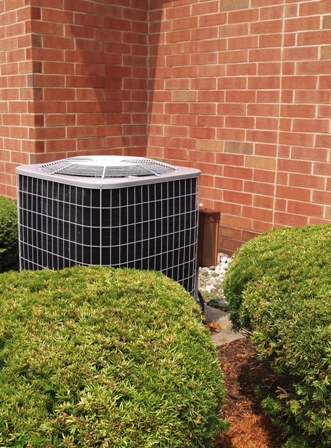
Outdoor air conditioning unit with vertical slats placed on concrete pad beside red brick wall and green shrubs.

When looking to install a new HVAC system in your home, it is important to make sure it is sized correctly. If it is too small, it might not be able to regulate the temperature of your whole home. On the other hand, an oversized unit will not work as efficiently, may wear out faster, […]

Read More

SAVE MONEY ON YOUR ELECTRICITY BILL

Analog electricity meter with five dials and stacked coins, symbolizing kilowatt-hour consumption and cost.

The hot days of summer are practically here, and that means it’s time to run the air conditioner. For many, this can mean more energy expenses, but the summer heat doesn’t need to result in a massive electric bill. There are a number of ways you can reduce electricity usage in your home, whether it’s […]

Read More

A BIGGER UNIT IS NOT ALWAYS BETTER

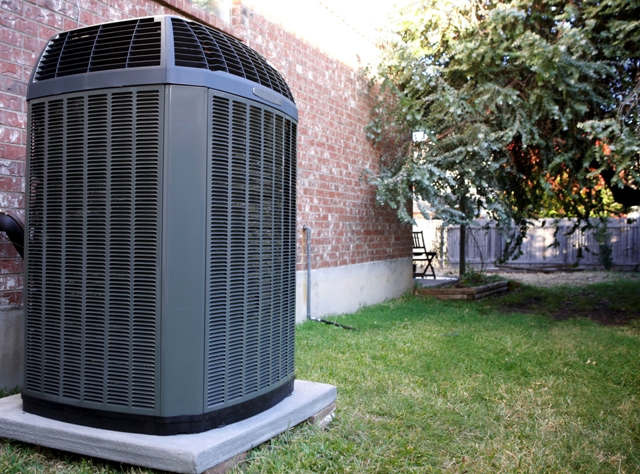
Large outdoor AC unit on concrete pad next to brick building, surrounded by grass, fence, and patio furniture.

It is a common saying that bigger is better, and some might apply this idea to the size of their air conditioning unit. However, this is not always wise. It is true that a bigger unit will put out more conditioned air faster than a smaller one, but that is only really useful if you […]

Read More

CAN I PLACE FREON IN MY AIR CONDITIONER?

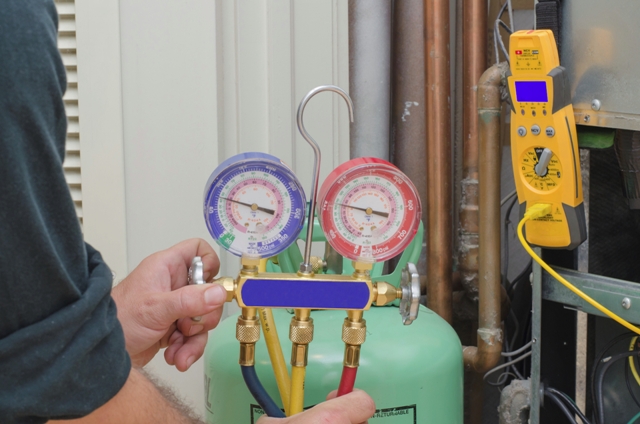
Technician servicing HVAC system with manifold gauge set and digital multimeter connected to refrigerant tank.

In order to function properly, your air conditioner needs a specific amount of refrigerant. If the level of refrigerant often referred to by the brand name of Freon, drops below the needed amount, your system will work less efficiently and may even develop other problems. If this happens, you might wonder whether you can put […]

Read More

THE IMPORTANCE OF NATE CERTIFICATION

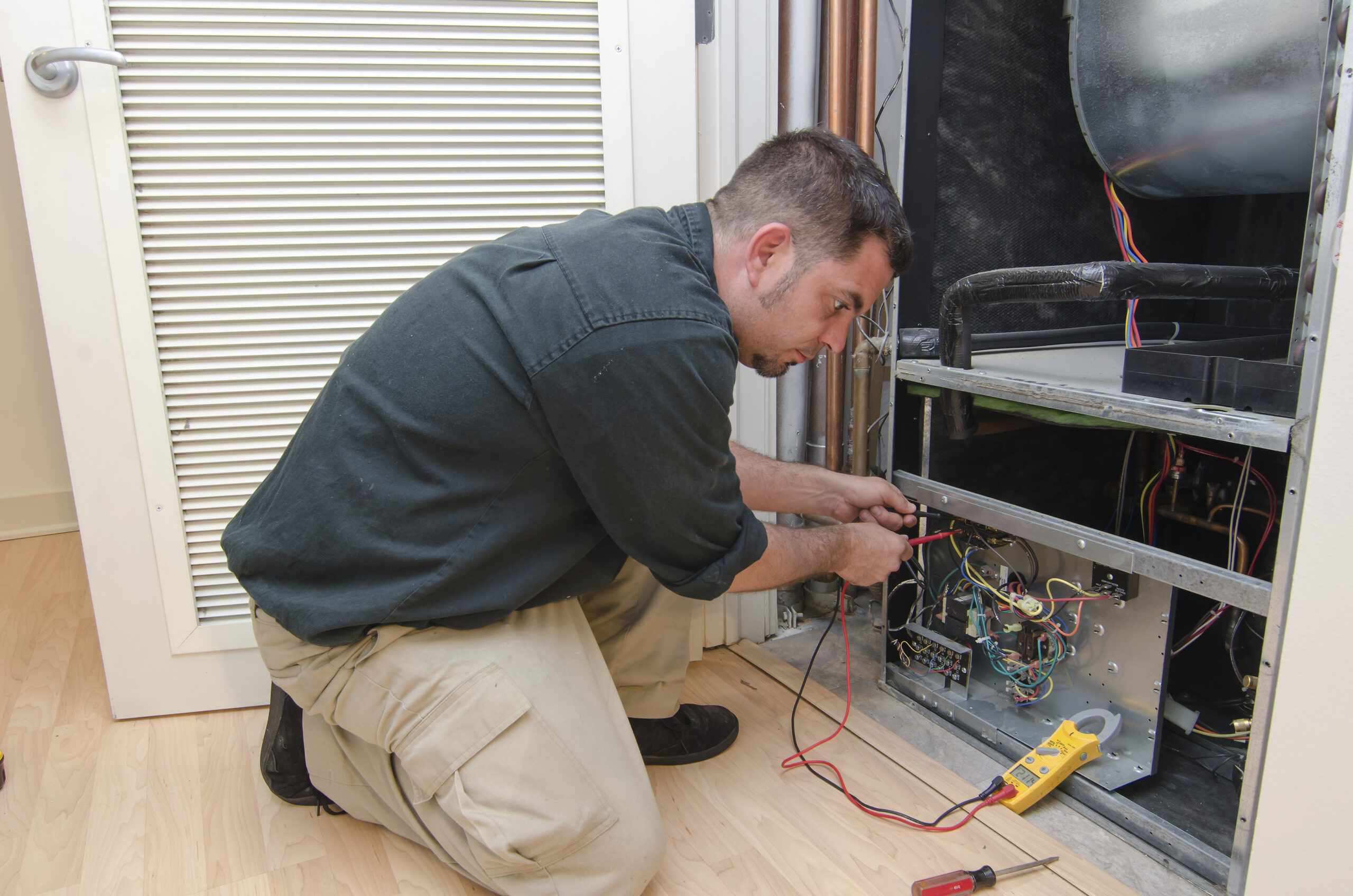
Technician kneeling beside open HVAC panel, using multimeter to test wiring and circuit boards.

At Climate Tech Air Conditioning and Heating, we pride ourselves on having NATE certified technicians, but what does that really mean? You might wonder why it is so important that your technician have a NATE certification—or if it is even important at all. The answer is that it matters a great deal when you are […]

Read More

HEATER BLOWING COLD AIR?

Person in furry hat and scarf hugging radiator, expressing discomfort from cold in white indoor setting.

If you are turning your heater on for the first time this year, you might notice the air that immediately blows out through the vents is cooler than you were expecting. This might be because it is the first time your heater is being used and there is cold air in the ducts. If the […]

Read More

WHY DOES MY HEATER SMELL?

Grease-smudged person holding dirty orange pleated air filter in front of camera against black background.

There are a variety of reasons why you may notice a smell when you turn your heater on, especially if it is the first time you have turned your heater on for the season.  You need to pay attention to what you smell, the timing and duration of the odor.  If possible, you need to […]

Read More

FURNACE CHECK AND CLEANING

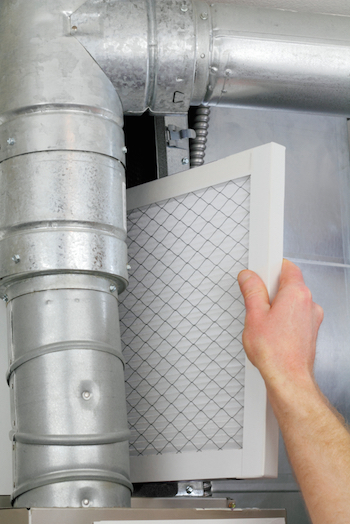
Hand inserting rectangular air filter into galvanized ductwork of HVAC system during routine maintenance.

There are varying theories about how often you should have your furnace checked and cleaned. Most all furnace manufacturers’ warranties will state that it needs to be done yearly, but there are no specifics as to exactly what needs to be checked. There are also no standard guidelines to this process. According to one certified […]

Read More
Contact Us
First
Last